Hibiscus–lime cooler (pitcher)
Dried hibiscus, light agave, and a few torn mint leaves. Steep hot, strain, chill, finish with fresh lime wheels. Tart, jewel-toned, picnic friendly.
- hibiscus
- mint
- lime

Editorial notice: Home tea ideas for flavor and fun—not medical advice. We are not a retail store and do not sell teas, herbs, or supplements on this website.
Think of a slow afternoon: orange peel, soft flowers, mint that tastes cool and sweet. You get real measurements (spoons and cups), not vague “a pinch of this.”
Optional email for our monthly letter only. We do not sell teas, herbs, or supplements from this website.
From our kitchen
Many people in the U.S. drink caffeine-free herbal tea after work, on the porch with friends, or while reading a book. Here we stick to simple things: how hot the water is, how long the herbs sit in it, and what the tea tastes like on day two in the fridge—we describe flavor and kitchen habits, not effects on the body.
New to mixing your own? Try one flower, one “base” herb (like mint or lemongrass), and one bright note (citrus peel or a spice you like). Chamomile is soft and sweet, lemongrass smells like lemon without the sour bite, and a thin strip of orange peel adds freshness. Write what you used in a notebook—small changes are easier to repeat next time.
Keep dried herbs in jars with lids, away from the stove steam, and write the month you opened the bag. Air and damp air steal flavor fast, especially in rainy places like the Pacific Northwest.
On this site you will find numbered steps, simple tables, and date ideas for get-togethers. For any question about whether a drink is right for you personally, ask a licensed healthcare provider—we only discuss aroma, taste, and everyday kitchen habits.
Favorites
Dried hibiscus, light agave, and a few torn mint leaves. Steep hot, strain, chill, finish with fresh lime wheels. Tart, jewel-toned, picnic friendly.
Fresh ginger coins plus dried lemongrass in a tall French press. Gentle heat, citrus lift, lovely after a breezy evening walk.
South African rooibos with a split vanilla bean scraped into the pot. Naturally caffeine-free, cozy for board-game nights.
We update these when we get a new bag from the store—each harvest smells a little different. If your hibiscus smells more like cranberry than pomegranate, try thirty seconds less next time and taste again.
Kitchen & food safety
Treat making tea like cooking: clean spoons, jars with labels, and tell guests what is in the pitcher. Anyone with food allergies, dietary restrictions, or questions about whether a plant ingredient is appropriate for them should ask a licensed healthcare provider before drinking—we describe flavor and how we prepare drinks at home, not individual suitability.
Pour hot water away from your body, keep kettle cords out of reach of small children, and use a kettle you can hold safely. For kids, serve tea at a temperature that feels comfortable on your wrist.
Allergies matter. Some people react to hibiscus or plants in the mint family. At a party, a small card with the ingredient list next to the drink helps everyone feel at ease.
Events Calendar
These are example dates you can copy or move to your own town. Use them to plan a small tasting at home or with neighbors.
| Date | Theme | Format |
|---|---|---|
| Jan 18, 2026 | Citrus peel bar | Bring-your-own-mug station |
| Mar 7, 2026 | Women’s History Month herb spotlight | Library talk + cupping |
| May 12, 2026 | Garden-to-glass mint workshop | Outdoor demo |
| Aug 9, 2026 | Iced hibiscus social | Neighborhood potluck |
| Nov 14, 2026 | Spiced rooibos flight | Evening tasting tables |
Have an idea for a public meetup near Eugene? Use the contact form and tell us the place and time—we might add it when we refresh this list (no guarantee).
FAQs
A fine mesh strainer, a heatproof measuring cup, and any kettle you already own are enough. A kitchen scale helps if you want to log grams, but tablespoons work for most home recipes.
Plant acids and cold water sometimes make iced tea look a little cloudy. It is usually harmless. For a clear pitcher at a party, strain twice and leave the lid off for the first hour in the fridge.
Often yes—rooibos and chamomile can make a second, lighter cup within about an hour. Citrus peel usually gives its best flavor the first time.
Multiply herbs and water in the same ratio, but taste halfway through. Big pots hold heat differently, so time is not always linear.
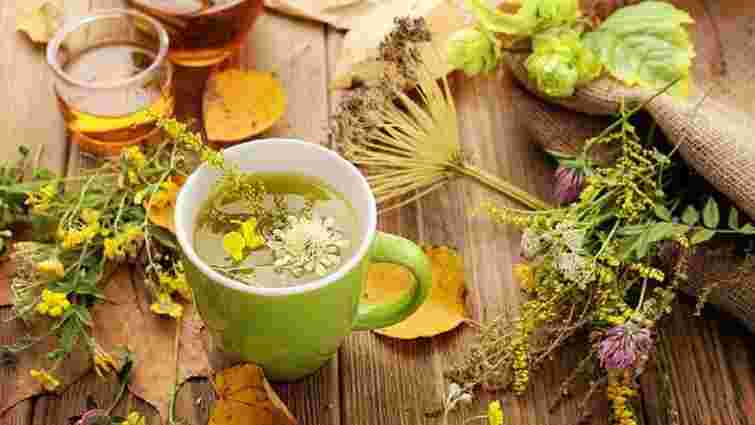
Look before you sip
Before you taste, look at the cup: hibiscus is ruby red, chamomile is pale gold, rooibos looks like autumn leaves. If the color looks dull, check how old the herbs are and how they were stored—sometimes color fades before flavor does.
Smell the steam: you should notice citrus, flowers, or roots in that order sometimes. If everything smells flat, empty the kettle and start with fresh water—water that sat overnight can taste stale.
We jot one line in a notebook by the kettle: date, herb, minutes steeped. Later it is easy to copy a pitcher you loved last July.
With food
Bright, tart pitchers pair with salty snacks. Coconut rice likes lemongrass tea. Vanilla rooibos sits nicely near chocolate desserts without fighting them.
If you serve more than one tea, go from light color to dark and from mild to stronger flavor—your mouth notices the order.
Read more
Pick what you need today. We refresh herb notes when we see something interesting at local markets.